

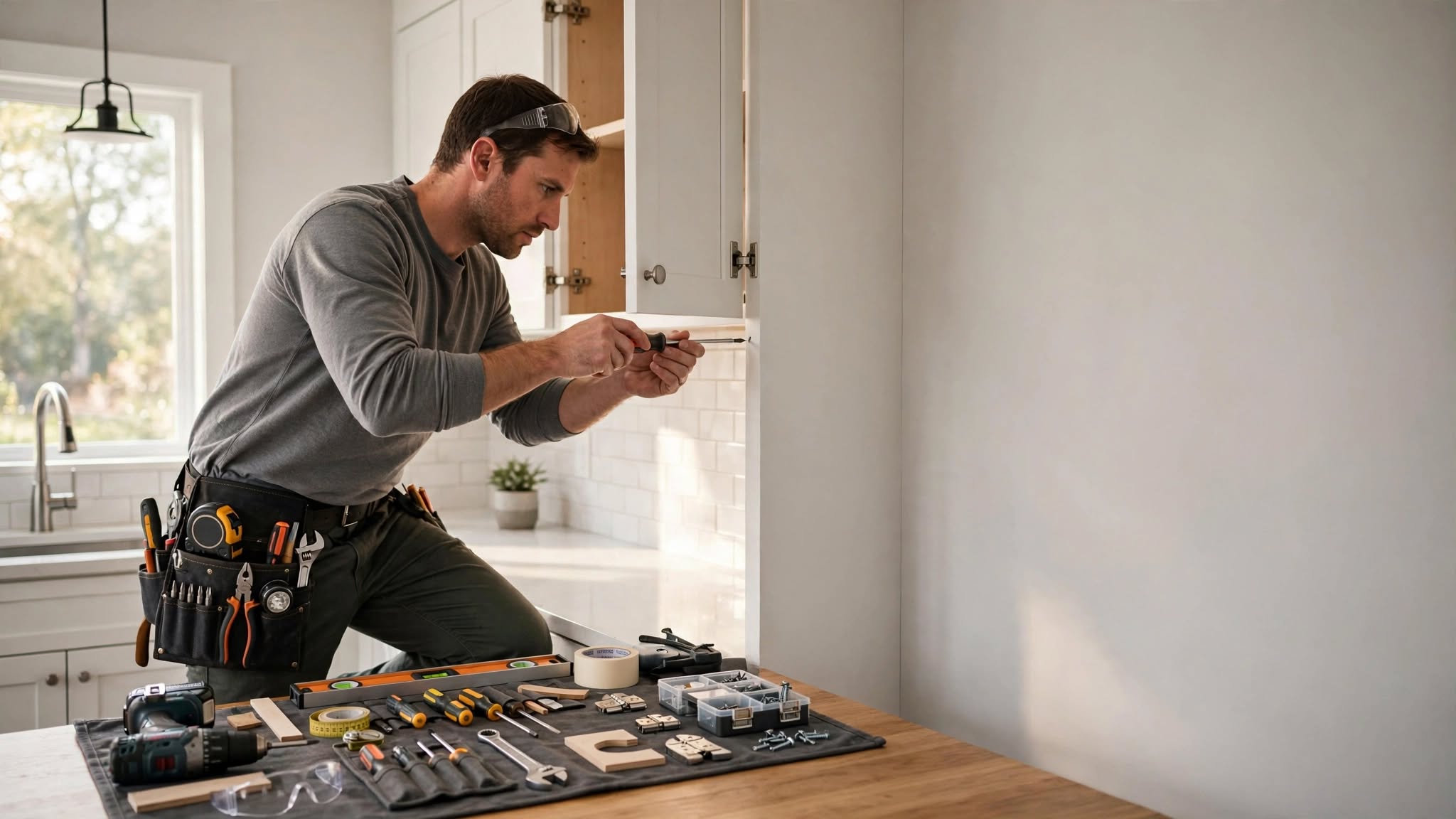
Most homeowners face small problems around the house on a regular basis. A leaking faucet, a sticking door, loose cabinet handles, or a ceiling fan that needs installing can quickly turn into bigger headaches if left alone. Plenty of people try to handle these jobs themselves to save money. Yet for many everyday repairs, calling a professional handyman turns out to be the smarter choice.
A good handyman brings experience across many types of small projects. They show up with the right tools and know how to finish the work cleanly the first time. That approach often costs less in the long run than buying tools, making mistakes, or calling a specialist for something that never needed one.
Top Handyman Businesses
Why a Professional Handyman Makes Sense
Time is one of the biggest reasons. Homeowners with full-time jobs or families rarely have free hours to spend learning a new skill, driving to the hardware store twice, and then fixing their own errors. A handyman can often complete the job in one visit. The homeowner gets the problem solved without giving up a weekend.
Safety matters too. Climbing ladders, working with power tools, or dealing with water and electricity carries real risks. Professionals understand how to work carefully and protect the surrounding area. They also carry insurance, so if something unexpected happens the homeowner is not left covering the cost.
Quality is another clear benefit. DIY work sometimes looks fine at first but fails sooner because of skipped steps or the wrong materials. A handyman who does similar jobs every week knows the small details that make a repair last. The finished result usually looks better and holds up longer.
Cost often surprises people in a good way. While the hourly rate seems higher than doing it yourself, the total expense can be lower. You avoid buying tools you will use only once. You also avoid the expense of fixing a botched attempt. Many handymen charge a clear rate for the full job or a set number of hours, so the homeowner knows what to expect before the work begins.
Projects That Fit a Handyman Well
Not every home problem belongs with a handyman, but a large number of common repairs do. These jobs usually stay within a reasonable size and do not require specialized licenses.
Furniture assembly is a frequent request. New bookshelves, desks, or outdoor furniture often arrive in boxes with confusing instructions. A handyman can put them together quickly and make sure everything is solid and level.
Minor plumbing fixes work well too. Replacing a faucet, fixing a running toilet, or clearing a simple drain clog falls into this category. As long as the issue does not involve the main sewer line or major pipe replacement, a skilled handyman can handle it without calling a full plumbing company.
Door and window adjustments are another strong fit. Sticking doors, loose hinges, or windows that will not lock properly are common. A handyman can plane a door, replace weather stripping, or adjust hardware so everything works smoothly again.
Basic electrical tasks such as swapping light fixtures, installing ceiling fans, or replacing outlets (when done carefully and within local rules) often suit a handyman. They stay away from panel work or major rewiring, which belong with a licensed electrician.
Painting touch-ups, hanging pictures or shelves, fixing drywall holes, and caulking around tubs or windows are everyday jobs that handymen complete regularly. These tasks improve the look of a home without needing a full painting or remodeling crew.
Gutter cleaning, minor fence repairs, and installing simple shelves or towel bars also fall into the handyman range. The work stays practical and keeps the house in better shape without large disruption.
When a Specialist Makes More Sense
Some jobs clearly need someone with a specific license. Major electrical work, gas line changes, structural framing, or full roof replacement should go to the right trade professional. A good handyman will recognize those limits and say so. That honesty is another reason hiring one is smart. They know when a project sits outside their skill set and will point the homeowner in the right direction instead of taking on work they should not.
How to Choose the Right Handyman
Look for someone who is licensed if your area requires it, insured, and willing to give a clear written estimate. Ask about similar jobs they have completed recently. Check reviews from other local homeowners. A reliable handyman communicates well, shows up when promised, and leaves the work area clean.
Many people start with one small job and then keep the same person for future needs. That ongoing relationship makes later repairs even easier because the handyman already knows the house.
Hiring a professional handyman for most everyday home repairs saves time, reduces stress, and often costs less than the do-it-yourself path once mistakes and extra tool purchases are counted. The projects that fit this approach are the ones that pop up regularly in any home: assembly work, small plumbing and electrical fixes, door adjustments, drywall repairs, and basic maintenance tasks. By matching the right jobs to a skilled handyman, homeowners keep their houses in good working order without turning every problem into a major project.

